GOP Bill Causes Statewide SNAP Benefits Loss For Millions
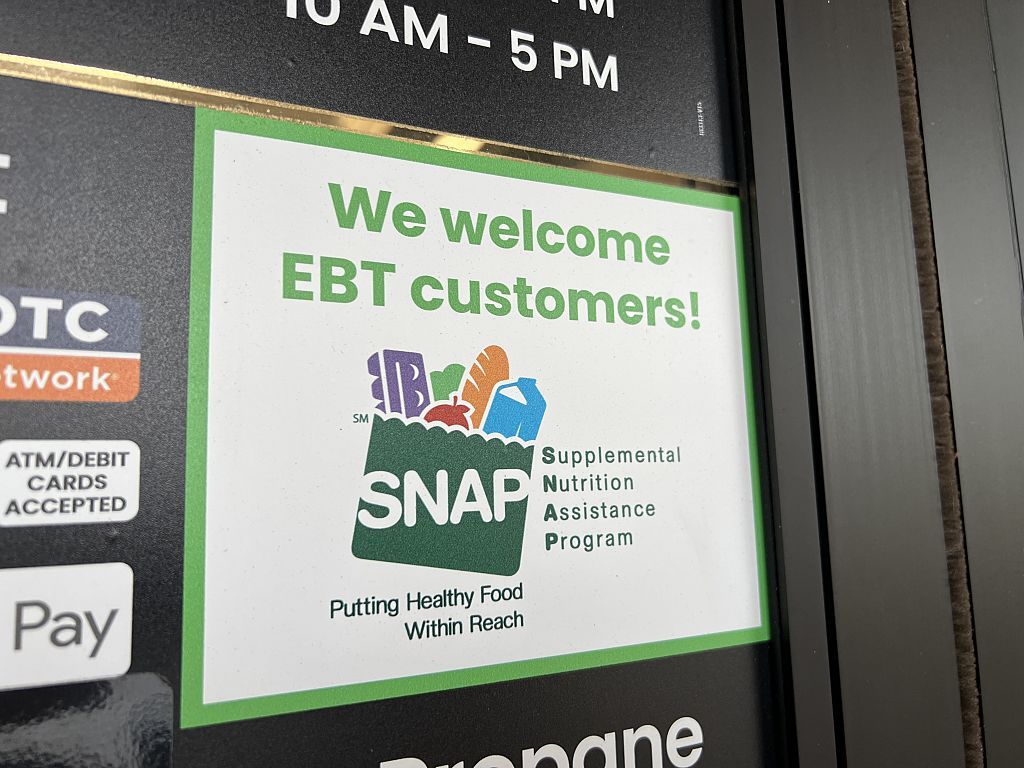
Food insecurity affects millions of American households who in turn rely on help from the government, particularly by way of the Supplemental Nutrition Assistance Program otherwise known as SNAP.
However, records have shown a noticeable decline of SNAP benefits distribution in the year since Trump signed off on the controversial One Big Beautiful Bill Act. An estimated 4 million people since July 2025 have reportedly already lost access to SNAP benefits, with even more limiting updates to the program scheduled for later this year.
RELATED: What We Need to Know – Black Unemployment, SNAP Changes, Politics, and More
From The Experts: SciLine Helps Us Break Down SNAP [VIDEO]
The OBBBA made updates to the required proof of monthly work or volunteer hours needed to access food benefits, now applying to veterans, those between the age 55 and 64, homeless individuals, young adults aging out of foster care and parents of a child between 14 and 17. As reported by PBS News Hour (seen above), pushback in response to all that’s required just to maintain SNAP approval has led to individuals either falling off the system or opting for food banks as an alternative.
While some have argued that less SNAP usage is a result of a better economy, others aren’t so convinced. According to NPR, analyst Katie Bergh of the Center on Budget and Policy Priorities highlighted the imbalance between unemployment largely staying flat while food prices steadily rise, telling the outlet, “What that’s telling us is that this is not happening because fewer people need help affording groceries. It’s the result of these policy changes.”
More on the nationwide SNAP crisis below, via NPR:
“According to Bergh, part of the issue is that many state agencies are struggling with staffing pressures and paperwork backlogs, especially amid efforts to prevent errors on food aid applications and avoid new federal penalties.
‘People are calling and calling, and they can’t get through to anyone,’ she says. ‘Or they’re being asked for more and more and more documentation of every aspect of their lives, and maybe they don’t have a way to document everything.’
That’s in line with a survey conducted by the Urban Institute and the American Public Human Services Association (APHSA). Out of 39 states that responded to the survey, 15 states said they were prioritizing payment accuracy over benefit timeliness.”
The upcoming update to what each state will be required to financially cover has the future of SNAP in question as a whole. Starting this October, the federal government will go from a 50-50 split on administrative costs (i.e. staffing state agencies) to just 25%. Then starting in October 2027, states with an error rate comprised of overpayments and underpayments at or above 6% will be required to split benefit costs between 5% to 15%.
“It largely reflects unintentional mistakes by state eligibility workers and participating families,” Bergh clarified to NPR regarding error rates, also adding, “ So someone made a typo or a state worker misapplied a policy or a family didn’t understand what information they needed to report and when.”
This could result in many states needing to spend two to three times as much just to keep SNAP running, which could lead them to back out of the program completely and open up a new set of issues nationwide.
GOP Bill Causes Statewide SNAP Benefits Loss For Millions was originally published on blackamericaweb.com


