Storm prep tips every homeowner should know before bad weather hits
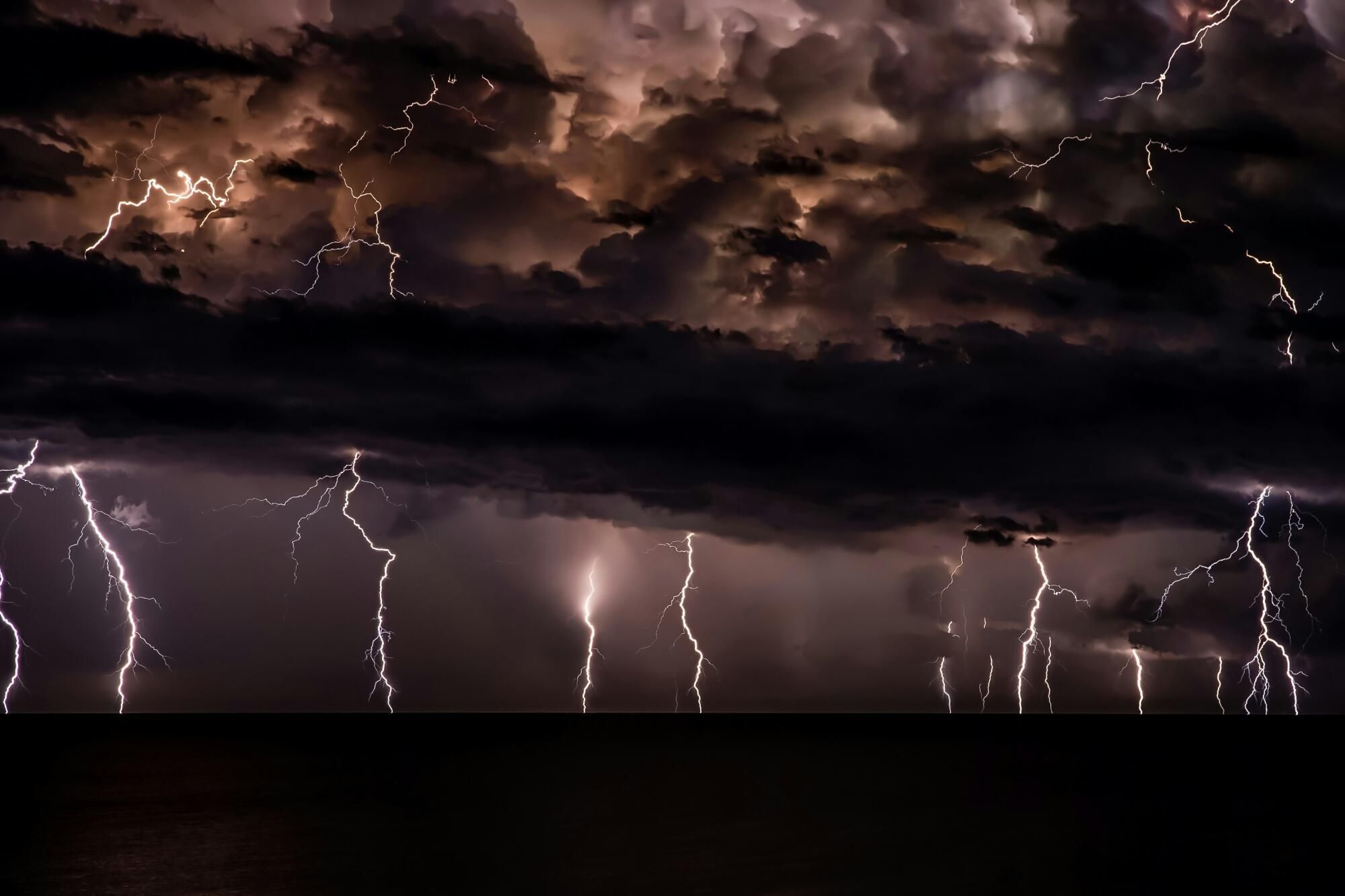
Having roofing and gutter systems inspected and serviced, along with securing outdoor furniture, are critical storm prep steps every homeowner should follow. Equally crucial is stocking up on emergency supplies.
Storm preparation is even more crucial nowadays, as bad weather events become more frequent and severe. As the non-profit organization Climate Central says, billion-dollar severe storms have surged in frequency over the last decade, with 2025 setting a record of 21 events.
What Does Storm Prep Mean?
Storm prep is the proactive practice of taking advanced actions to protect your life, family, and property from extreme weather events (e.g., storms, high winds, floods, heavy snow, or ice). Through severe storm preparedness, you can:
- Reduce the risk of injuries caused by flying debris and floods
- Maintain communication through emergency plans and charged devices
- Secure basic needs, including clean water, food, and medication
- Limit property damage (e.g., by reinforcing roofs and gutters)
- Smooth the insurance claims process
Where Is the Safest Place to Be During a Thunderstorm?
Thunderstorms are severe weather events characterized by lightning and thunder.
As the National Weather Service explains, compared to hurricanes or tornadoes, lightning kills more people in the U.S. each year. The agency also notes that the safest place to be during a thunderstorm is within a large, enclosed structure with electrical wiring and plumbing. Examples include:
- Private residences
- Schools
- Office buildings
- Shopping centers
What Are Some Storm Prep Tips Every Homeowner Should Know Before Bad Weather Hits?
Severe storms have always been dangerous, but they’re becoming deadlier due to climate change. Ensuring you, your family, and your home are always storm-ready should therefore be a top priority, as it can help protect lives and property and minimize the toll of a storm’s aftereffects.
Get Roofing and Gutter Systems Inspected and Serviced
From roof leaks to hail damage, these can all ruin your year and your roof, as pointed out by Maumee River Roofing. Get these repaired ASAP because if they’re still there during the next big weather event, they can become more severe problems, such as:
- Major leaks
- Torn or blown shingles, tiles, or flashing
- Blocked and overflowing gutters
- Roof and gutter collapse
Secure Outdoor Furniture
Secure all your outdoor furniture pieces, as high winds can pick up loose items. They can carry umbrellas, chairs, and tables, turning these objects into dangerous, high-speed projectiles that can shatter glass, damage property, and endanger lives.
Stock up on Emergency Supplies
Building a basic disaster kit is another must-follow storm prep tip, as essential supplies can keep you and your family safe, hydrated, and fed, particularly during prolonged extreme weather. Ensure you stock up on the following before the next big storm hits:
- Drinking water (one gallon per person per day for at least 3 days)
- Non-perishable food (3-day supply per person)
- Battery-powered radio
- Fully charged power bank
- First aid kit
- A minimum 3-day supply of prescription medications
Weather the Storm With These Tips
With storm prep potentially being a life-saving strategy, it’s best to ensure your roof and gutters get checked and serviced, your outdoor furniture secured, and your basic disaster kit built before the next extreme weather event occurs.
Don’t miss out on the latest practical and insightful home and DIY guides by exploring our most recent posts and subscribing to our newsletter.


