55 Books Every Black Teen Should Read - Page 15
Source: Richard Bailey / Getty
UPDATED: 3:00 P.M. ET, July 22, 2026
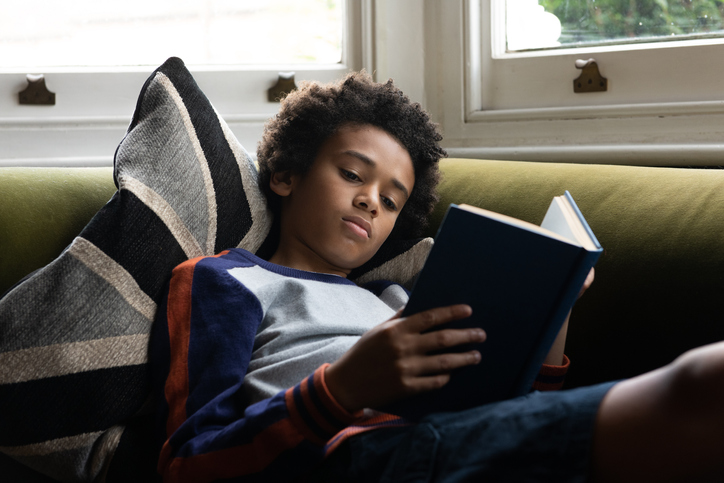
There are few life skills more important than learning how to read. Reading opens the door to imagination, curiosity and lifelong learning. It introduces young people to new words and ideas, strengthens focus and concentration, and builds the critical thinking and problem-solving skills that help children succeed both inside and outside the classroom. Good reading habits formed early often lead to stronger communication skills, greater academic achievement and increased opportunities later in life.
Yet despite its importance, Black students continue to face significant literacy challenges rooted in decades of systemic inequities, including unequal school funding, fewer early childhood literacy resources and disparities in educational opportunities.
The numbers paint a troubling picture.
According to the National Assessment of Educational Progress’ (NAEP) 2022 report, only about 15% to 17% of Black fourth graders nationwide read at or above the “proficient” level, meaning more than 80% are reading at the “basic” or “below basic” levels. By eighth grade, proficiency rates remain largely unchanged, with only 15% to 18% of Black students reading at or above grade level, leaving roughly 82% to 85% without grade-level reading proficiency.
The National Center for Education Statistics has similarly found that Black students, on average, score lower on standardized reading assessments than their white and Asian peers, and while reading scores appeared to approve slightly in 2025, there’s still a big issue at hand: a persistent achievement gap that continues across grade levels.
But statistics only tell part of the story.
Black children absolutely read. What they have not always had is equal access to the resources and opportunities that foster strong literacy skills.
For generations, reading itself was a freedom denied to Black Americans. During slavery, it was illegal in many states to teach enslaved people how to read because literacy was viewed as a pathway to independence and resistance. Although those laws are long gone and books are more accessible today than ever before, the effects of those historic inequities continue to shape educational outcomes.
Reading is also one of the most powerful ways to expand perspective. Books expose readers to different cultures, experiences and ideas while encouraging creativity and empathy.
“If there is a book you really want to read but it hasn’t been written yet, then you must write it,” Toni Morrison once said.
Reading also helps develop stronger writers.
“Reading exposes us to other styles, other voices, other forms, and other genres of writing. Importantly, it exposes us to writing that’s better than our own and helps us to improve,” author Roz Morris said in an interview with the University of Rochester, according to Common Sense Media.
Unfortunately, reading for pleasure has steadily declined among young people across the country.
Research has found that the percentage of 13-year-olds who read for fun on a weekly basis dropped from 70% in 1984 to 53%. Among 17-year-olds, weekly reading declined from 64% to just 40%, while the share of teens who reported they rarely or never read nearly tripled—from 9% to 27%.
Those trends make encouraging Black youth to pick up a book more important than ever.
According to a 2015 report from the American Council on Education, more than one-third of Black or African American, Hispanic or Latino, and American Indian or Alaska Native 12th graders performed at the below-basic achievement level in reading, compared with roughly one in five White and Asian 12th graders.
At NewsOne, we believe the child who reads is the child who leads. Reading is about much more than passing a test, it’s about discovering new possibilities, finding your voice and seeing yourself reflected in stories that inspire, challenge and empower.
With that in mind, we asked our sister publications, HelloBeautiful and The Urban Daily, to share the books that left a lasting impact on them.
Here are 55 titles they believe every Black teen should read.
1. “Assata: An Autobiography” by Assata Shakur
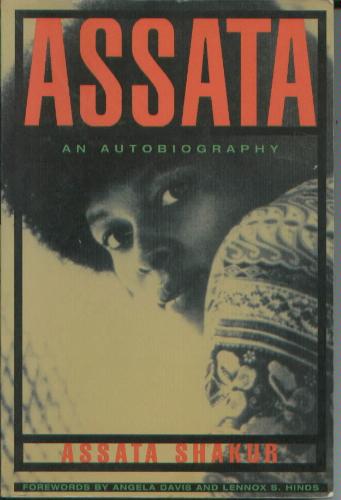
“Assata: An Autobiography” by Assata Shakur
2. “Song of Solomon” by Toni Morrison
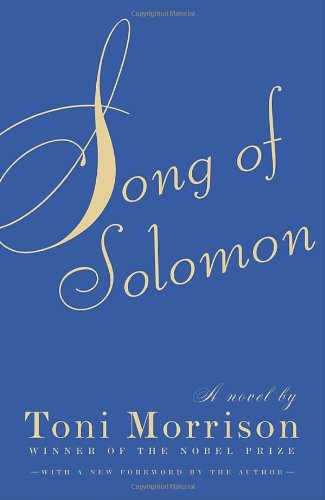
“Song of Solomon” by Toni Morrison
3. “Visions for Black Men” by Na’im Akbar
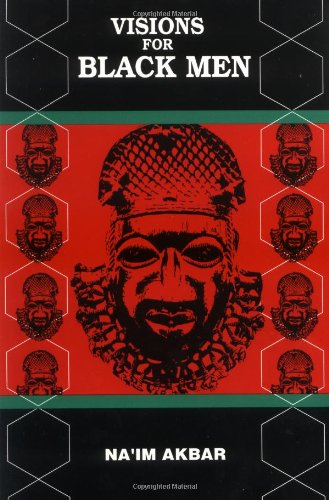
“Visions for Black Men” by Na’im Akbar
4. “The Coldest Winter Ever” by Sister Souljah
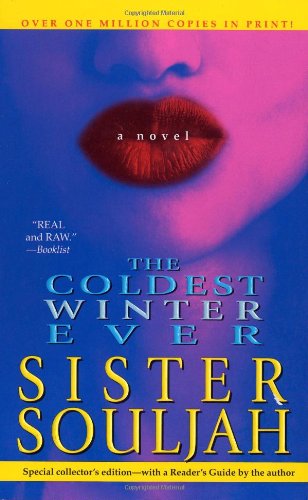
“The Coldest Winter Ever” by Sister Souljah
5. “Dreams from My Father” by Barack Obama
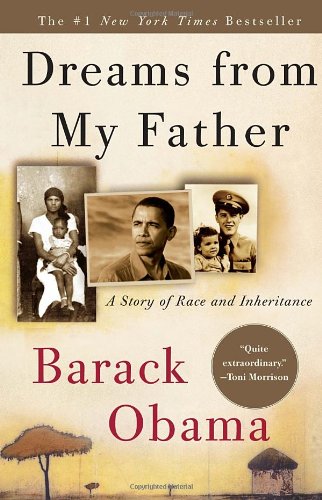
“Dreams from My Father” by Barack Obama
6. “Sag Harbor” by Colson Whitehead
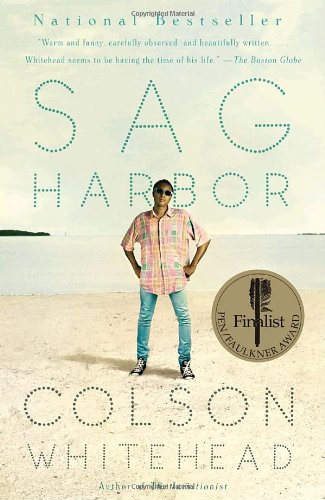
“Sag Harbor” by Colson Whitehead
7. “Monster” by Walter Dean Myers
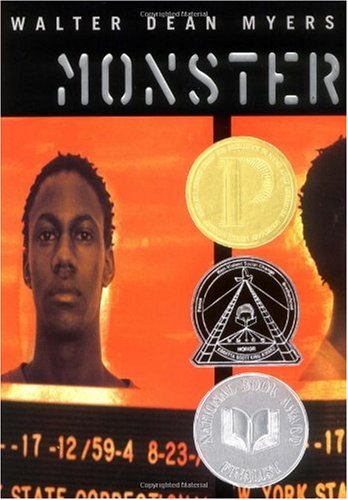
“Monster” by Walter Dean Myers
8. “Things Fall Apart” by Chinua Achebe
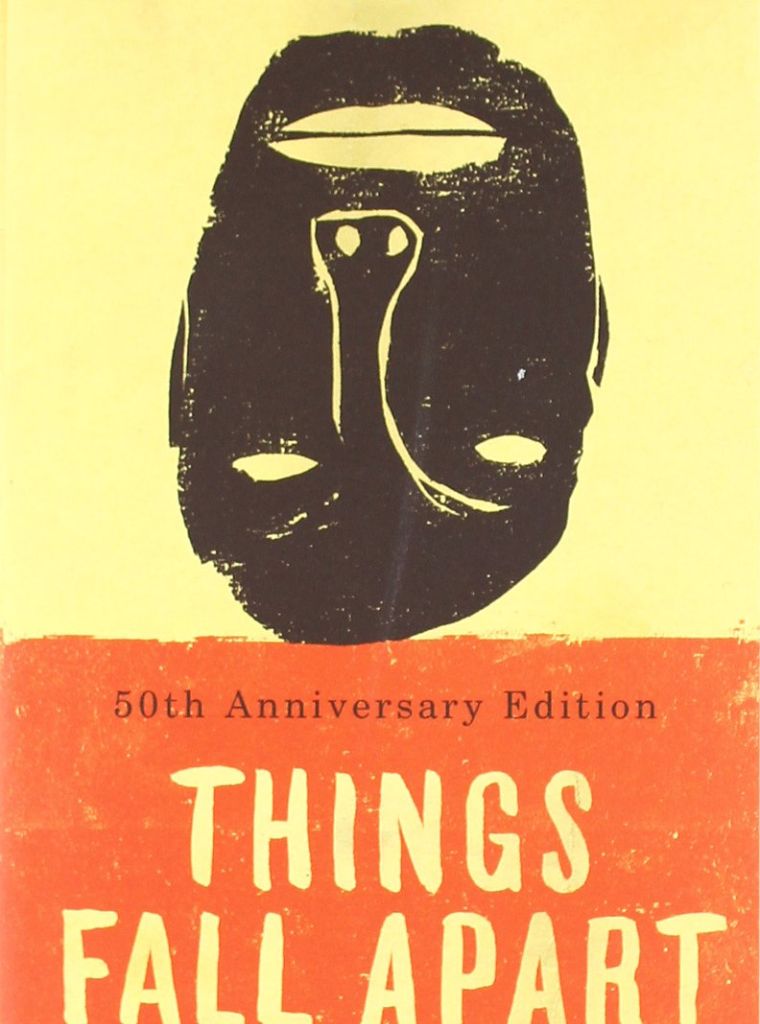
“Things Fall Apart” by Chinua Achebe
9. “Their Eyes Were Watching God” by Zora Neale Hurston
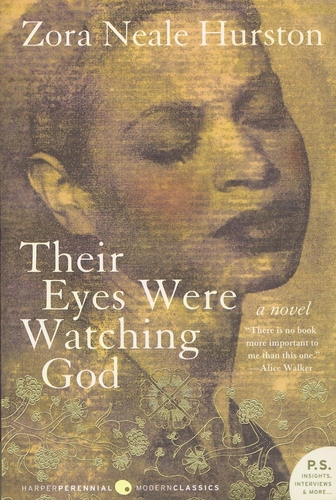
“Their Eyes Were Watching God” by Zora Neale Hurston
10. “When Chickenheads Come Home To Roost” by Joan Morgan
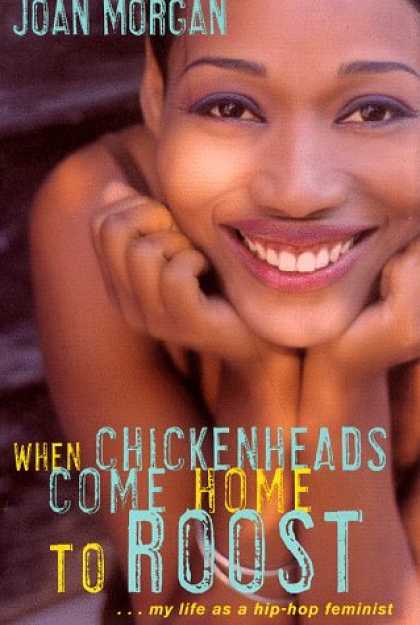
“When Chickenheads Come Home To Roost” by Joan Morgan
11. “The Autobiography of Malcolm X” as told to Alex Haley
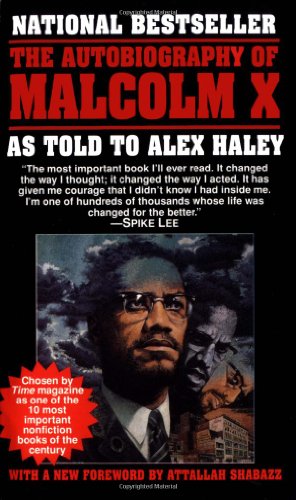
“The Autobiography of Malcolm X” as told to Alex Haley
12. “Invisible Man” by Ralph Ellison

“Invisible Man” by Ralph Ellison
13. “Interiors: A Black Woman’s Healing…in Progress” by Iyanla Vanzant
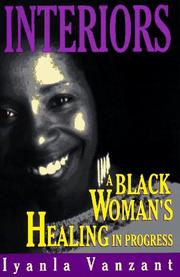
“Interiors: A Black Woman’s Healing…in Progress” by Iyanla Vanzant
14. “The Bluest Eye” by Toni Morrison
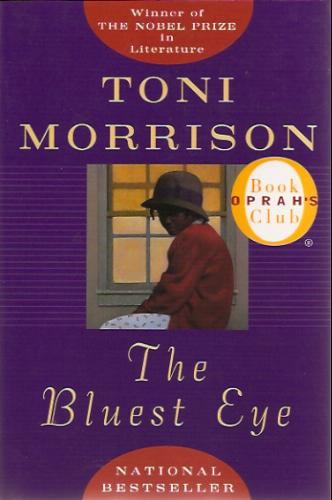
“The Bluest Eye” by Toni Morrison
15. “The Color Purple” by Alice Walker
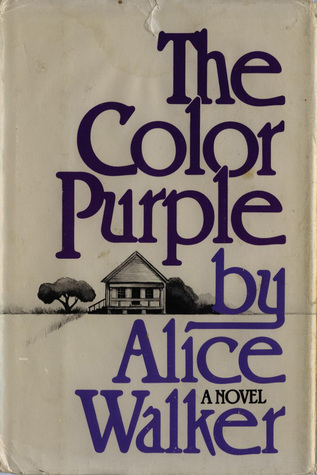
“The Color Purple” by Alice Walker
16. “Blues People” by Amiri Baraka
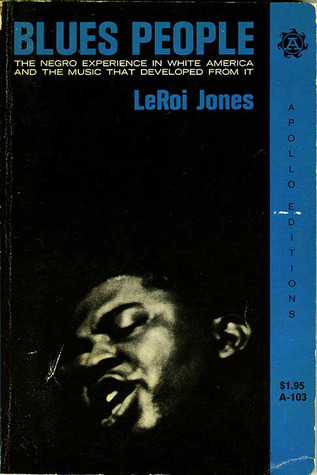
“Blues People” by Amiri Baraka
17. “Our Kind of People” by Lawrence Otis Graham
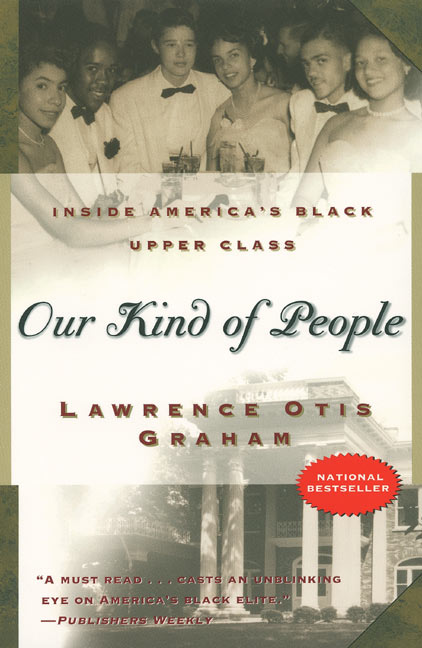
“Our Kind of People” by Lawrence Otis Graham
18. “Picking Cotton” by Jennifer Thompson-Cannino
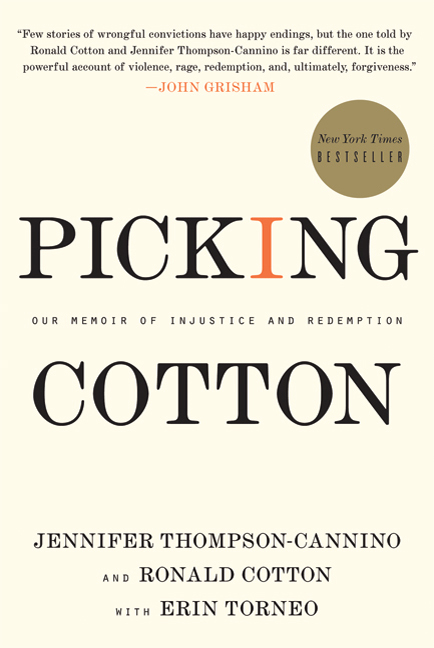
“Picking Cotton” by Jennifer Thompson-Cannino
19. “What is the What” by Dave Eggers
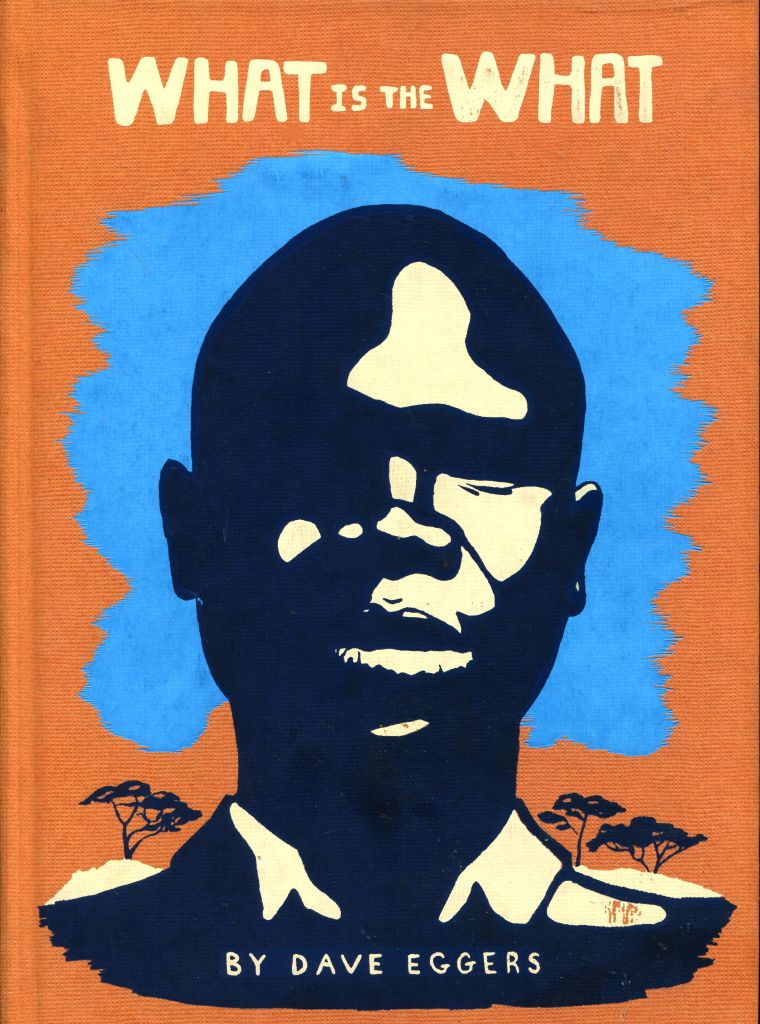
“What is the What” by Dave Eggers
20. “Feminist Theory: From Margin to Center” by bell hooks
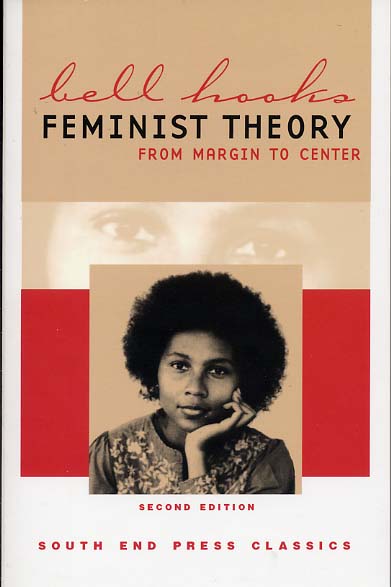
“Feminist Theory: From Margin to Center” by bell hooks
21. “Soledad Brother” by George Jackson
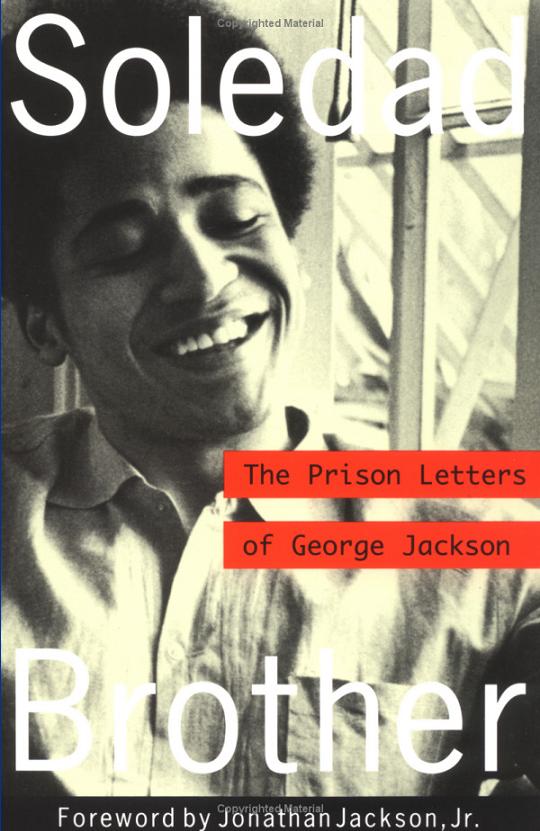
“Soledad Brother” by George Jackson
22. “Makes Me Wanna Holler: A Young Black Man in America” by Nathan McCall
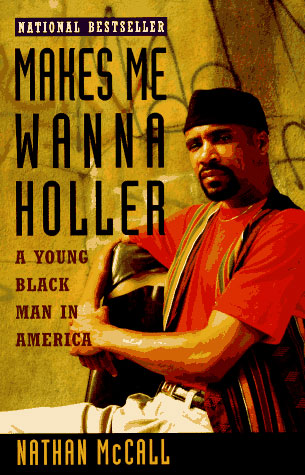
“Makes Me Wanna Holler: A Young Black Man in America” by Nathan McCall
23. “The Brief Wondrous Life of Oscar Wao” by Junot Diaz
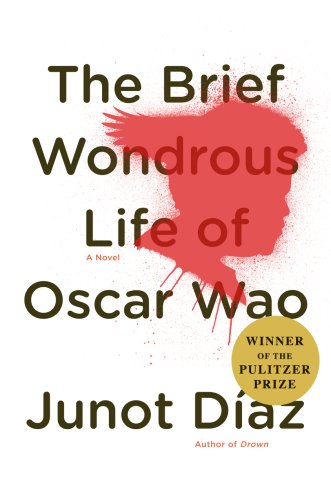
“The Brief Wondrous Life of Oscar Wao” by Junot Diaz
24. “Good To Great” by Jim Collins
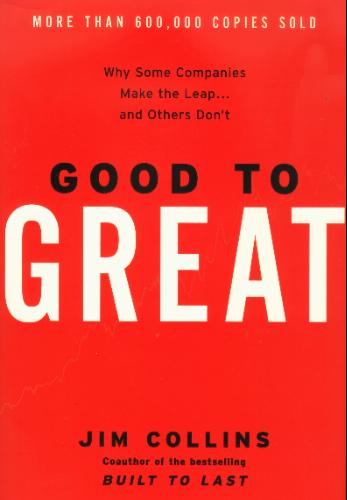
“Good To Great” by Jim Collins
25. “Purple Cow” by Seth Godin
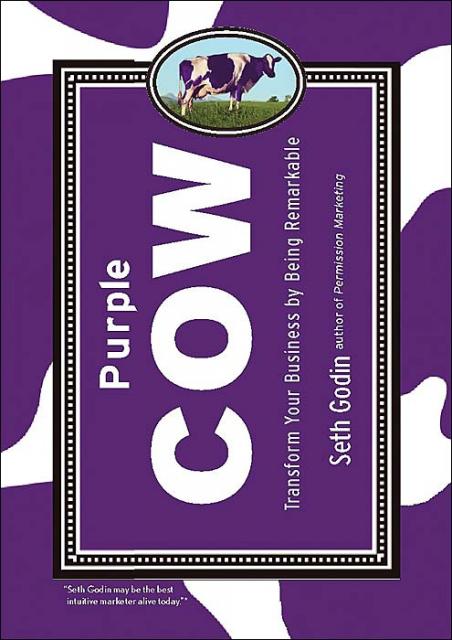
“Purple Cow” by Seth Godin
26. “Down These Mean Streets” by Piri Thomas
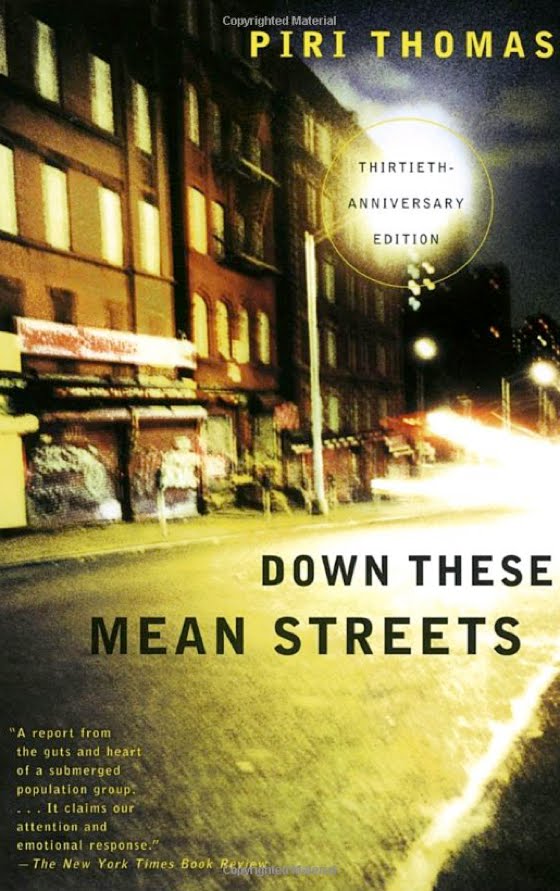
“Down These Mean Streets” by Piri Thomas
27. “Flyy Girl” by Omar Tyree
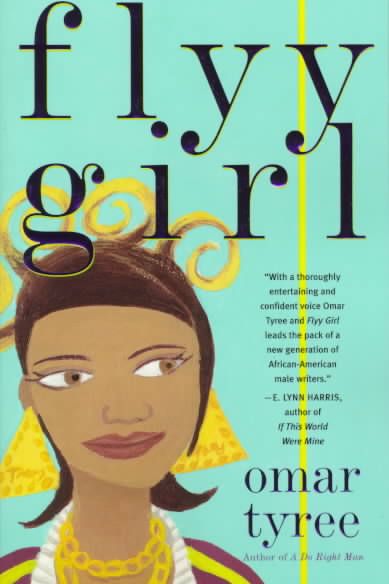
“Flyy Girl” by Omar Tyree
28. “Summer Of My German Soldier” by Bette Greene
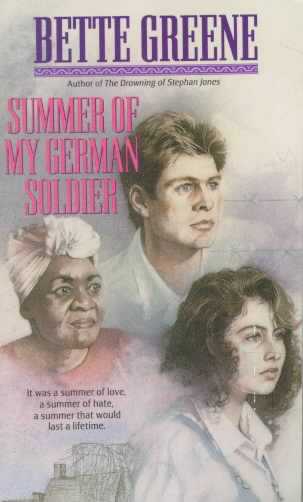
“Summer Of My German Soldier” by Bette Greene
29. “A Raisin in the Sun” by Lorraine Hansberry
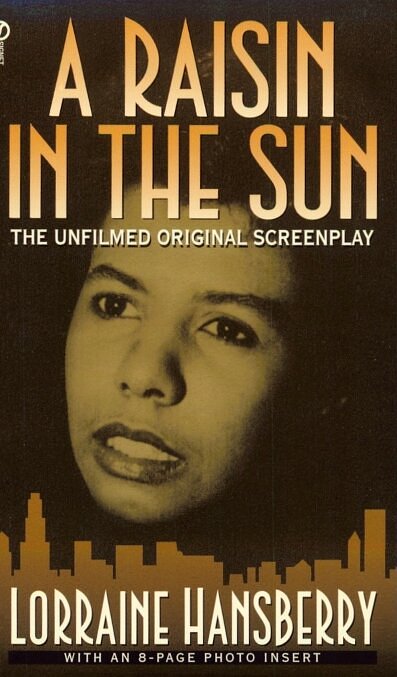
“A Raisin in the Sun” by Lorraine Hansberry
30. “A People’s History of the United States” by Howard Zinn
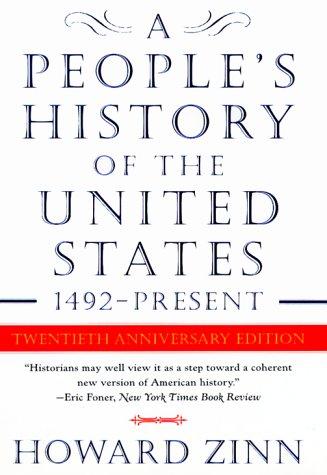
“A People’s History of the United States” by Howard Zinn
31. “I Know Why the Caged Bird Sings” by Maya Angelou

“I Know Why the Caged Bird Sings” by Maya Angelou
32. “Miles: The Autobiography” by Miles Davis
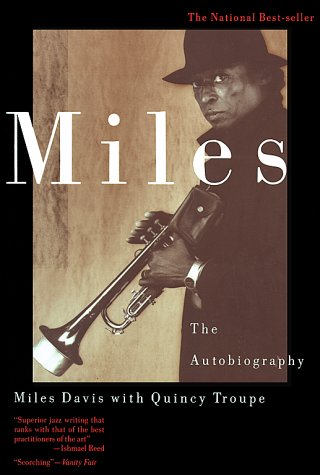
“Miles: The Autobiography” by Miles Davis
33. “Invisible Life” by E. Lynn Harris

“Invisible Life” by E. Lynn Harris
34. “Kaffir Boy” by Mark Mathabane
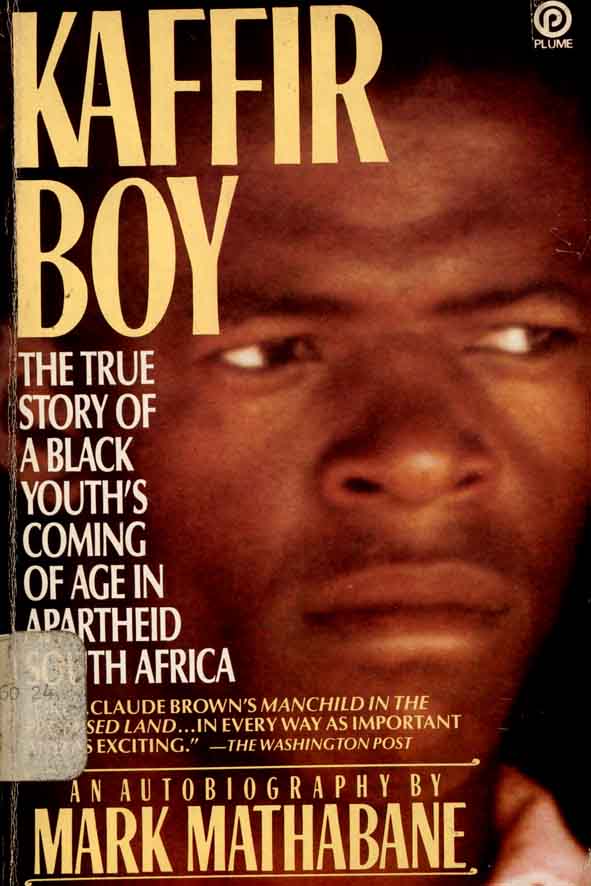
“Kaffir Boy” by Mark Mathabane
35. “Kindred” by Octavia Butler
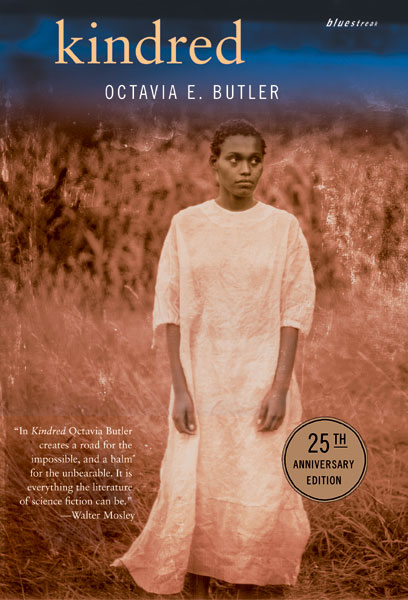
“Kindred” by Octavia Butler
36. “Letter to My Daughter” by Maya Angelou
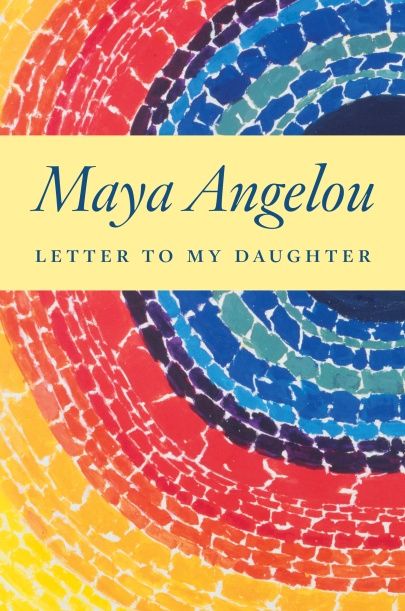
“Letter to My Daughter” by Maya Angelou
37. “Manchild in the Promised Land” by Claude Brown
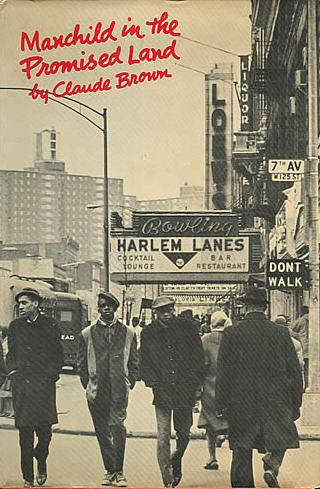
“Manchild in the Promised Land” by Claude Brown
38. “Mis-Education of the Negro” by Carter G. Woodsen
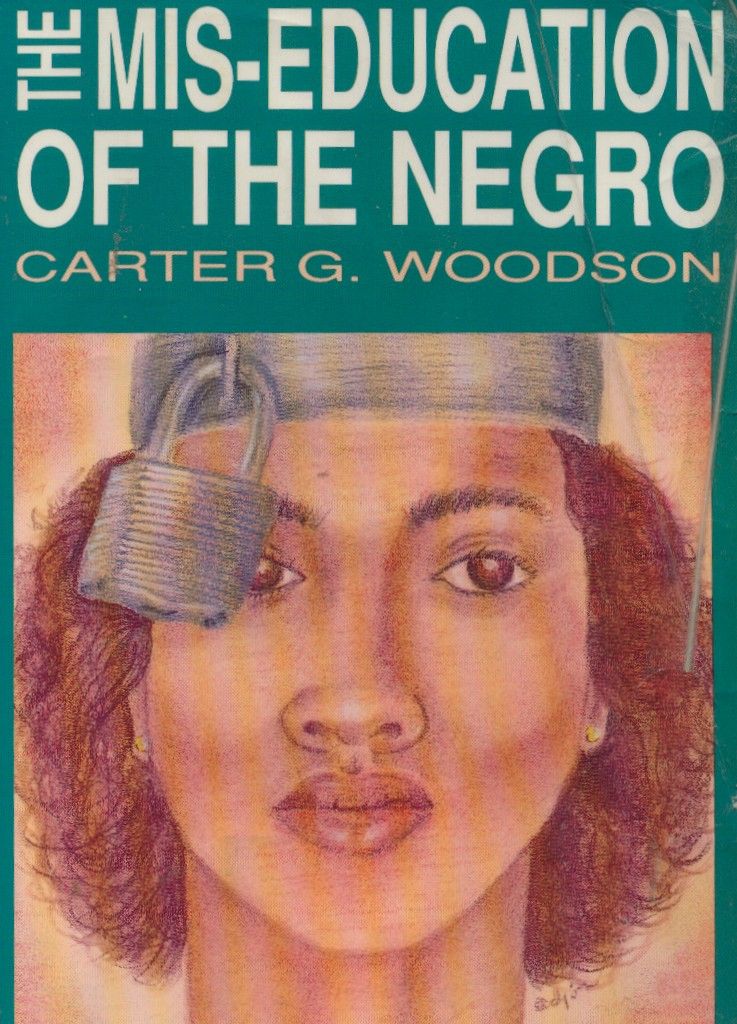
“Mis-Education of the Negro” by Carter G. Woodsen
39. “If Beale Street Could Talk” by James Baldwin
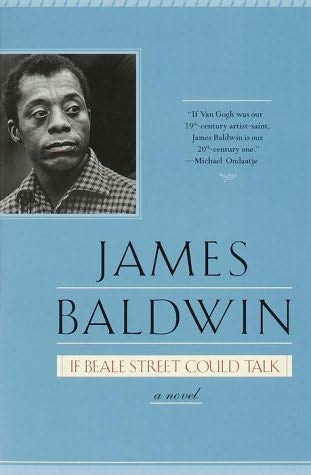
“If Beale Street Could Talk” by James Baldwin
40. “Nile Valley Contributions To Civilization” by Tony Browder
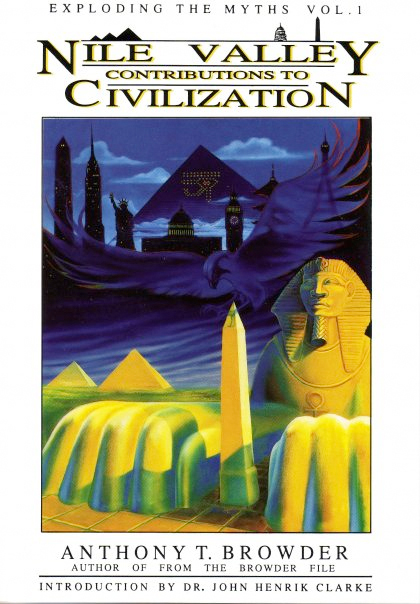
“Nile Valley Contributions To Civilization” by Tony Browder
41. “I Am Not Sidney Poitier” by Percival Everett
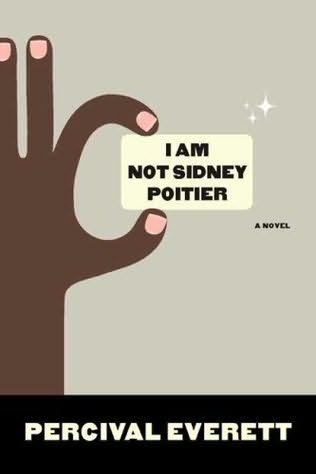
“I Am Not Sidney Poitier” by Percival Everett
42. “Outliers” by Malcolm Gladwell
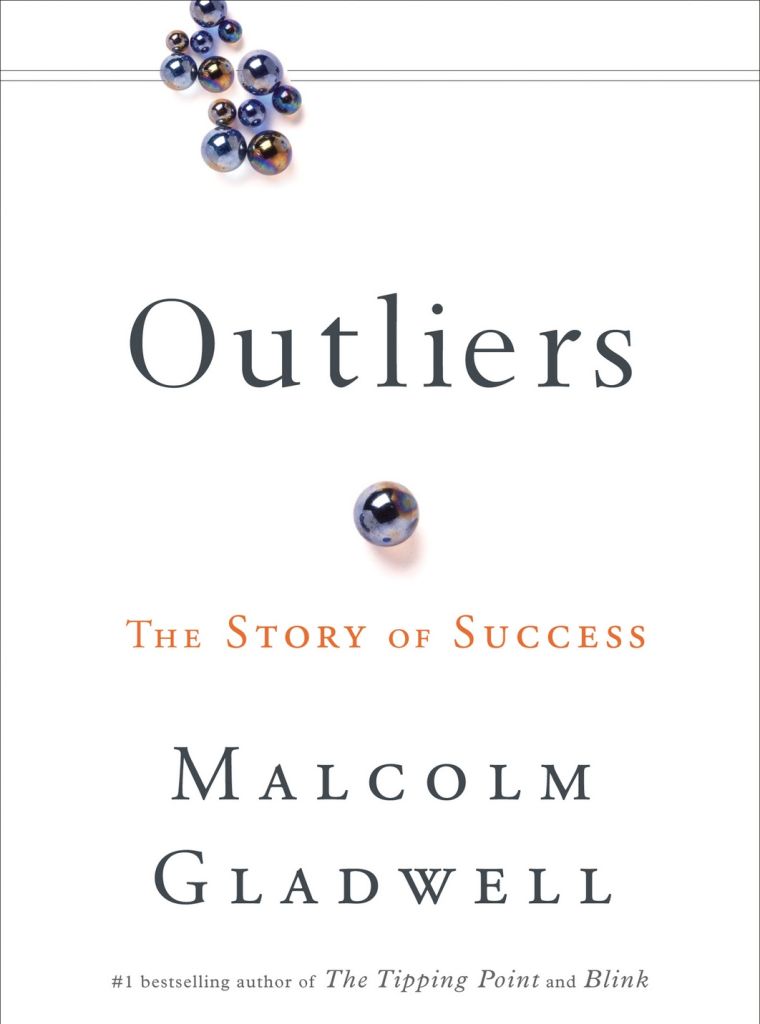
“Outliers” by Malcolm Gladwell
43. “Rich Dad, Poor Dad” by Robert Kiyosaki
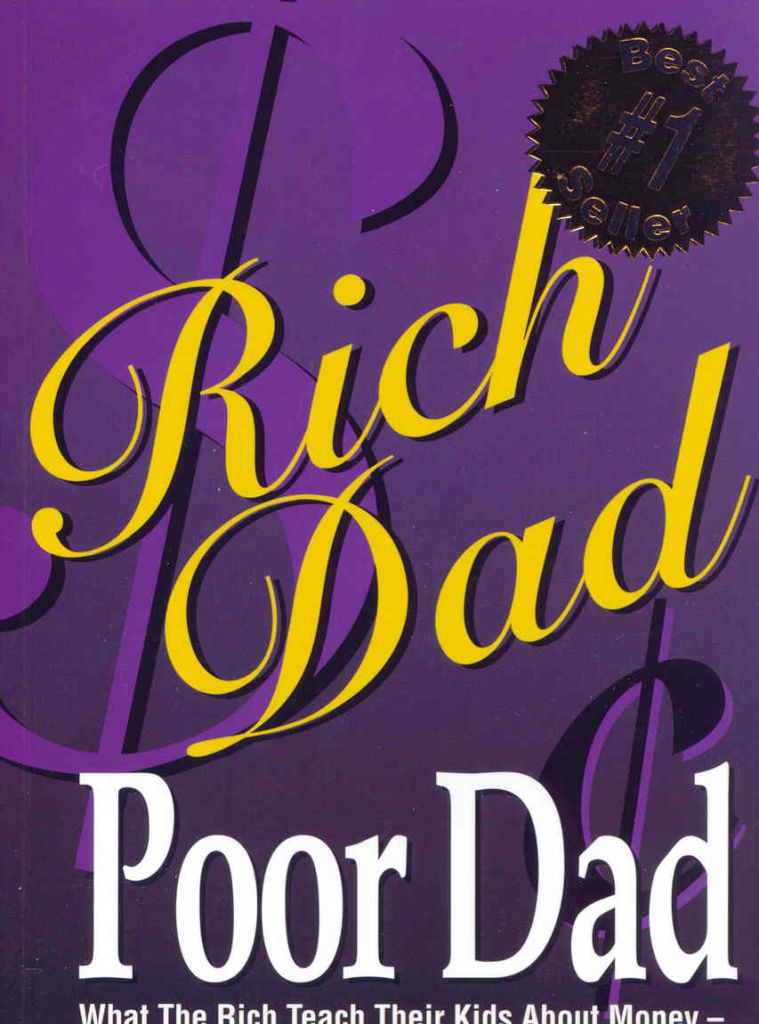
“Rich Dad, Poor Dad” by Robert Kiyosaki
44. “Roots” by Alex Haley
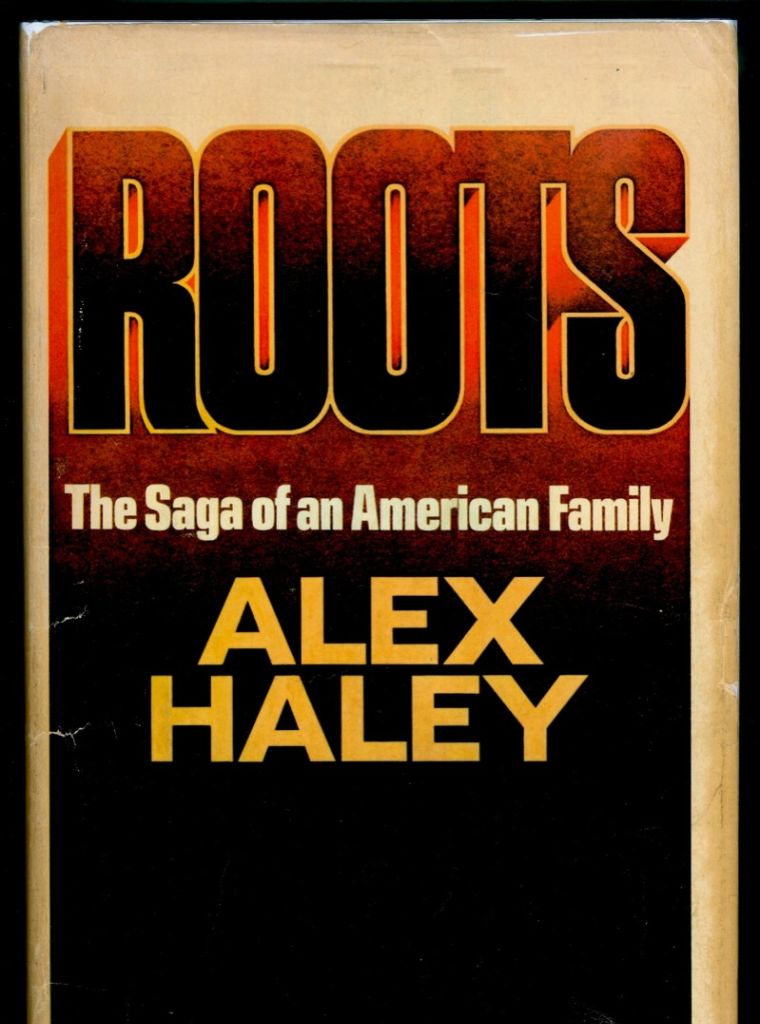
“Roots” by Alex Haley
45. “Sula” by Toni Morrison
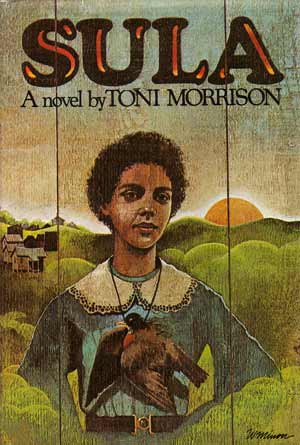
“Sula” by Toni Morrison
46. “The Alchemist” by Paulo Coelho
“The Alchemist” by Paulo Coelho
47. “Who Am I Without Him?” by Sharon Flake
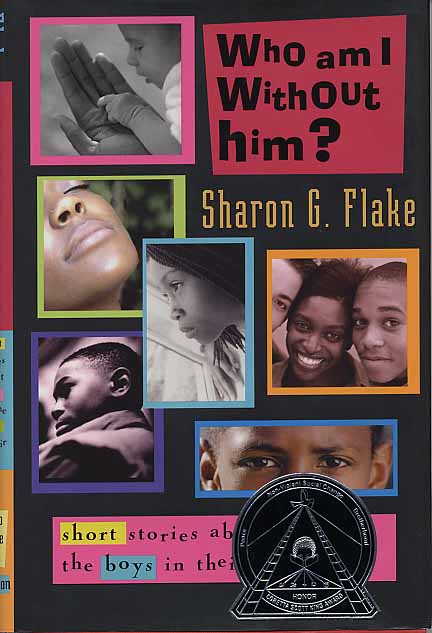
“Who Am I Without Him?” by Sharon Flake
48. “Twelve Years a Slave” by Solomon Northup
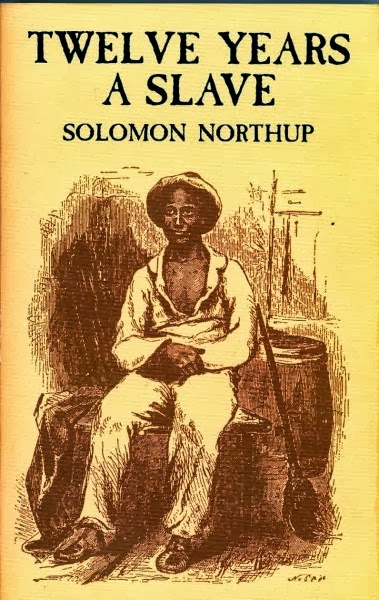
“Twelve Years a Slave” by Solomon Northup.
49. “Your Blues Ain’t Like Mine” by Bebe Moore Campbell
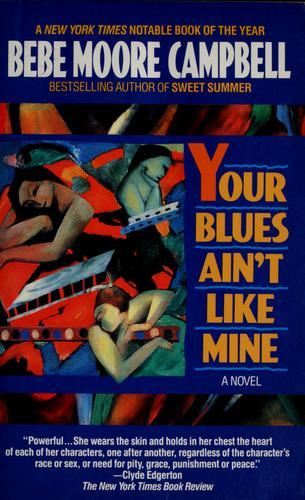
“Your Blues Ain’t Like Mine” by Bebe Moore Campbell
50. “The Intentions of Thunder: New and Selected Poems” by Patricia Smith
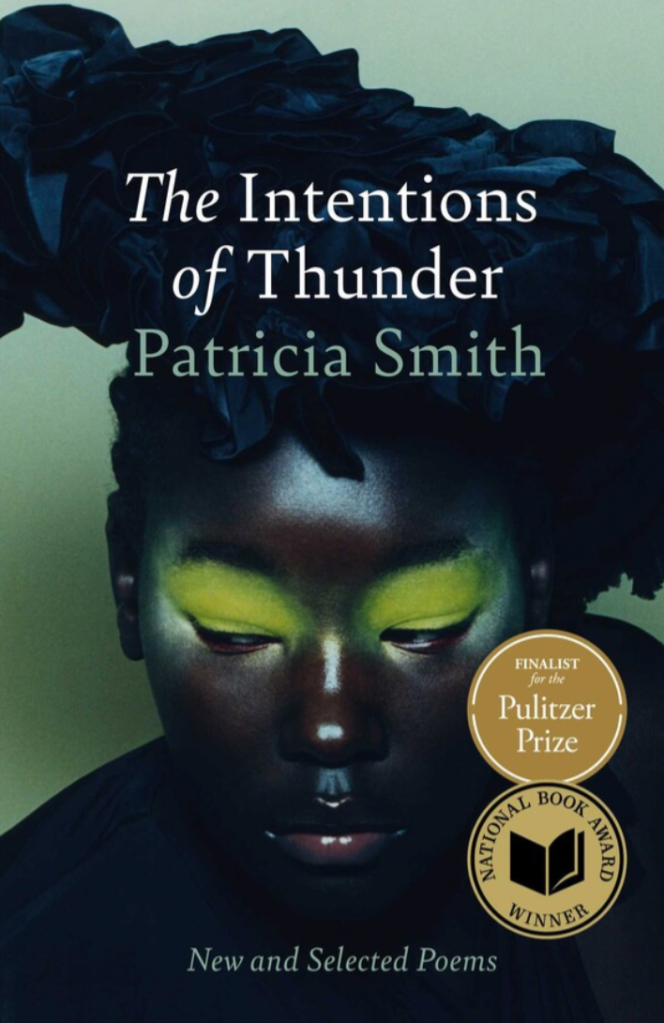
“The Intentions of Thunder: New and Selected Poems” by Patricia Smith
51. “Brown Girl Dreaming” by Jacqueline Woodson
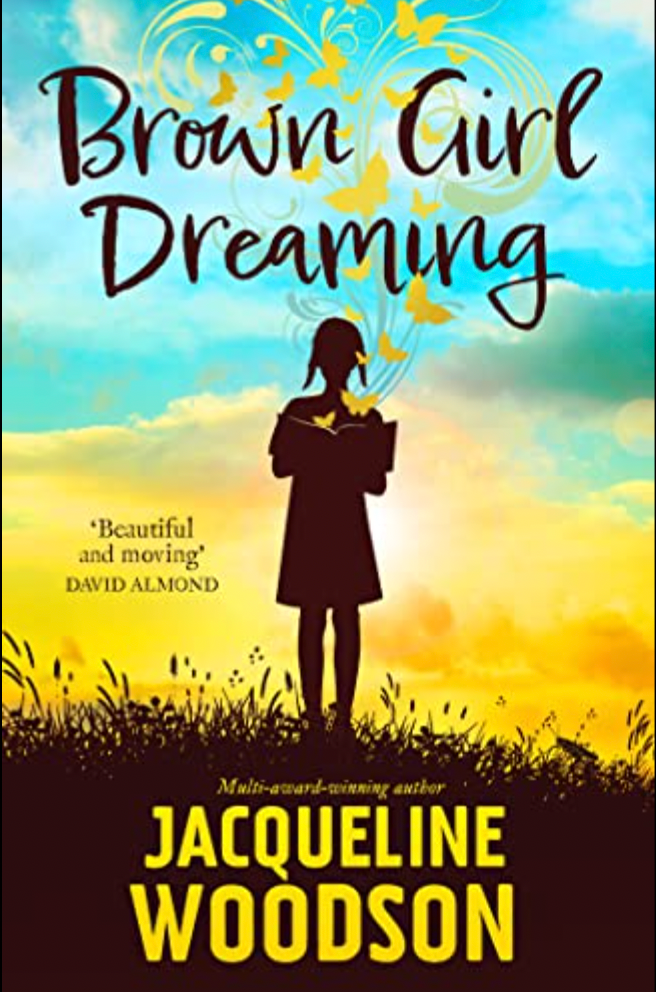
“Brown Girl Dreaming” by Jacqueline Woodson
52. “The Hate U Give” by Angie Thomas
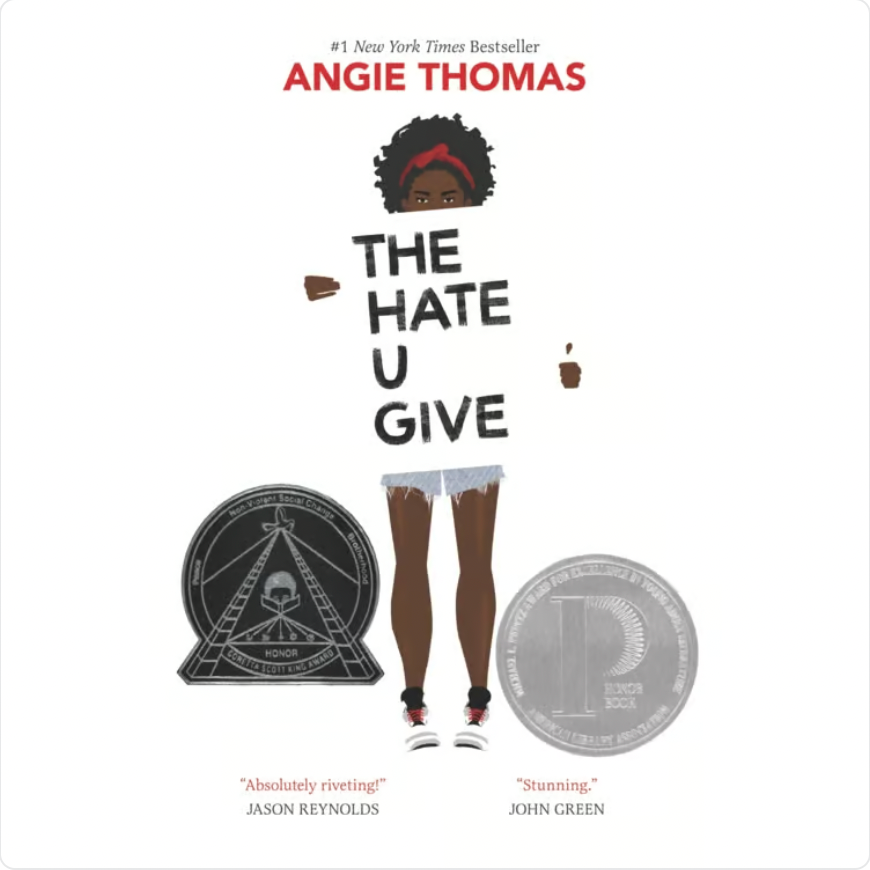
“The Hate U Give” by Angie Thomas
53. “All Boys Aren’t Blue” by George M. Johnson
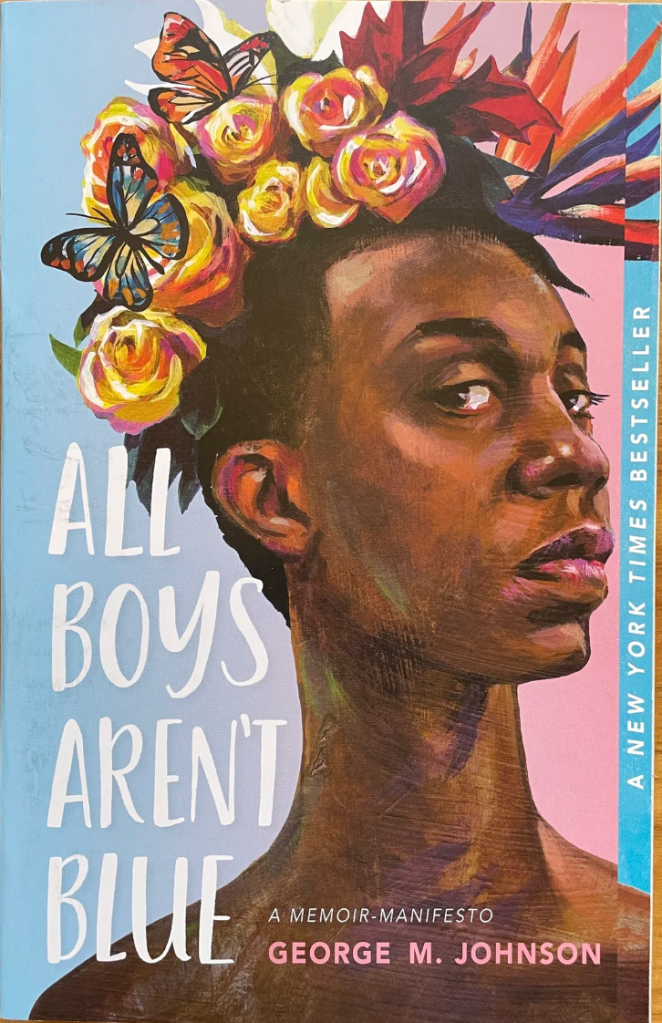
“All Boys Aren’t Blue” by George M. Johnson
54. “The 1619 Project” by Nikole Hannah-Jones
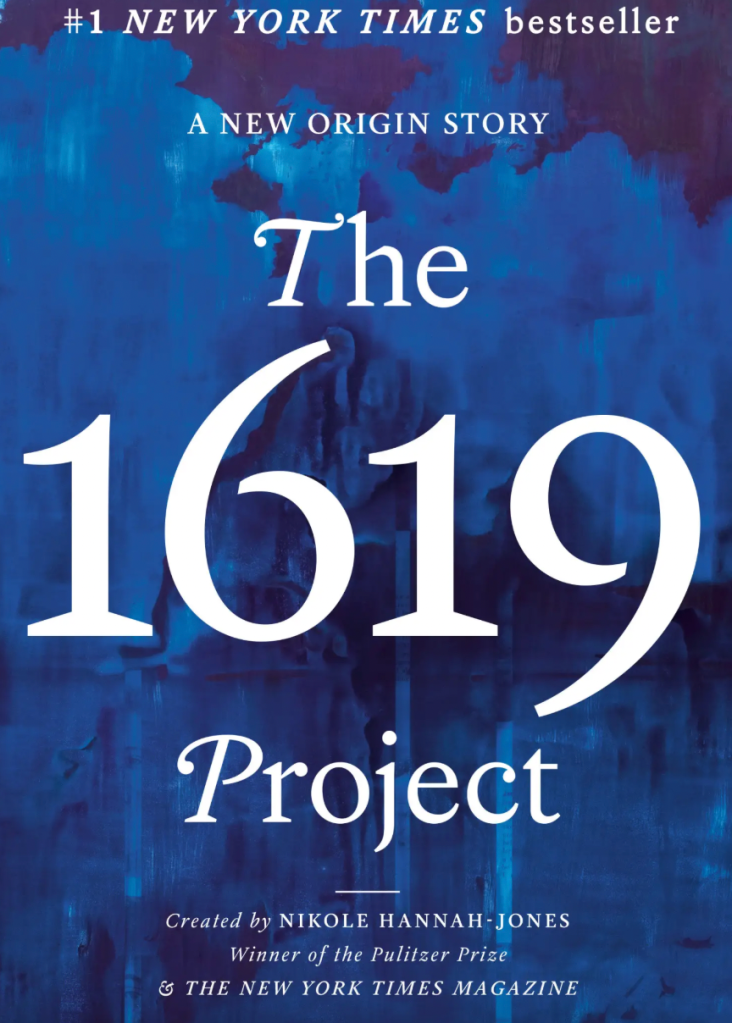
“The 1619 Project” by Nikole Hannah-Jones
55. “The Crossover” by Kwame Alexander
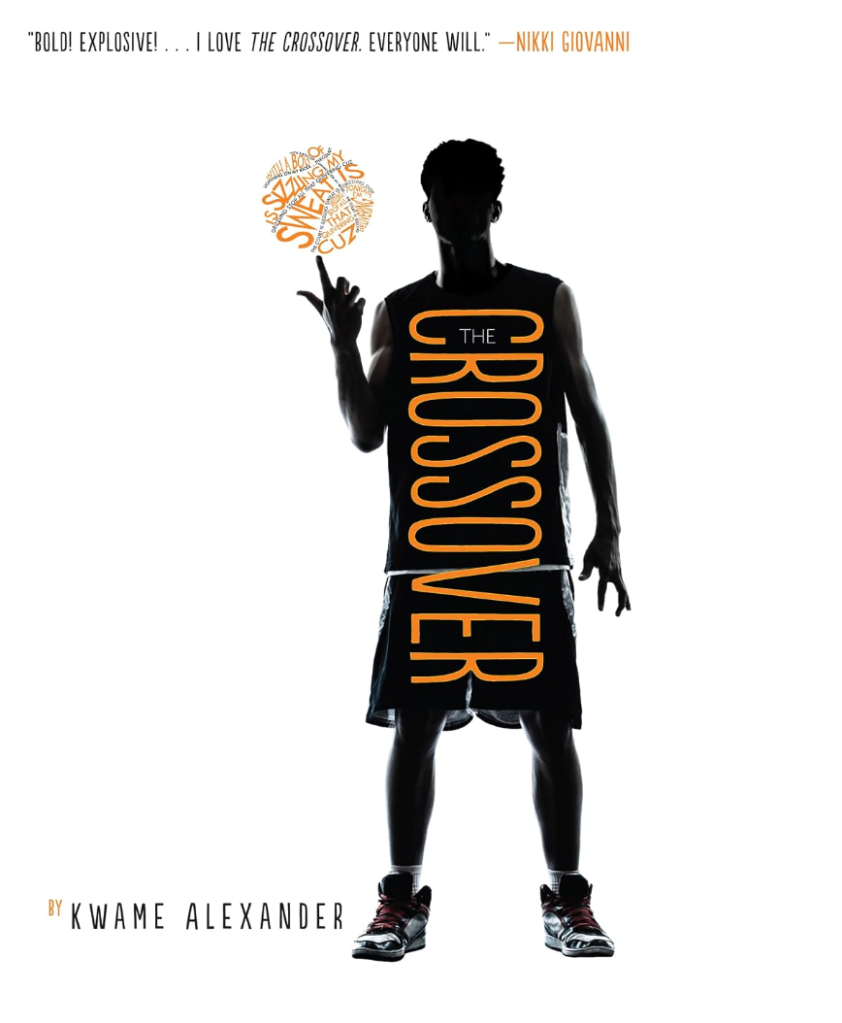
“The Crossover” by Kwame Alexander
55 Books Every Black Teen Should Read - Page 15 was originally published on newsone.com


